
Category: Utilities
Utility Debt Collection: Balancing Recovery and Customer Experience

Utilities often serve customers for years or even decades. When an account becomes delinquent, the utility faces a unique challenge: recovering unpaid balances while protecting the trust and reputation it has built within the community. That is one reason IC System pays close attention to the consumer experience during collections. Keeping an Eye on the
Achieving Success in Telecommunications Collections

Telecommunications providers lose millions of dollars annually to unpaid balances from disconnected and hard-to-locate customers. As customer mobility increases, recovering these accounts becomes more complex and resource-intensive. A telecommunications provider may begin with internal reminders, billing notices, calls, emails, or other collection efforts. But once a customer disconnects service or stops responding, recovering the remaining
How Technology Is Changing Utility Debt Collection
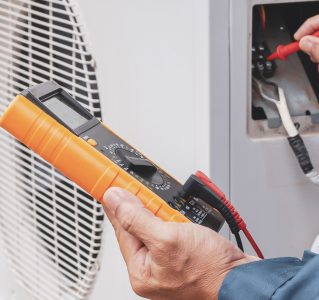
For many utility providers, delinquent accounts do not appear all at once. They build quietly. A missed payment here. A late notice there. A customer who intends to catch up but keeps pushing the balance into the next billing cycle. Over time, what began as a manageable account becomes a larger receivable that is harder
Utility Debt Collections After Winter Moratoriums: Why Tax Refund Season Is the Best Time to Recover Past-Due Utility Bills
Every winter, utility providers see a predictable shift in their accounts receivable. Seasonal protections—often referred to as winter utility moratoriums—limit disconnections and certain collection actions during the coldest months of the year. These protections are critical for consumer safety, but they also allow past-due utility bills to accumulate. As these moratoriums begin to expire in
Tax Refund Windfall 2026: Why Debt Recovery Is Heating Up This Spring
Early 2026 refunds are trending higher than last year. Timing is everything for collections. Millions of Americans have filed their 2025 tax returns, and early data shows many are seeing larger refunds than last year. As of mid-February, the average federal refund is $2,476, up roughly 14% from the same point in 2025, with more
Solar Panel Company Collection Services: How a Collection Agency Can Improve Debt Recovery
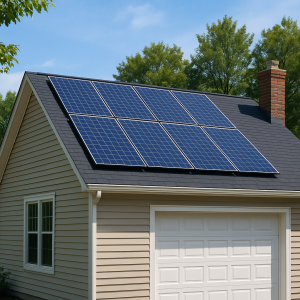
Solar Panel Company Collection Services: How a Collection Agency Can Improve Debt Recovery The solar energy industry is booming, but with growth comes new financial challenges. Solar panel companies often deal with large installation costs, long financing terms, and customers who may fall behind on payments. Without a strategic collections plan, unpaid accounts can quickly
Champion-Challenger Collections Model

Competition brings out the best in us. Keep that in mind when considering what to do with your accounts receivables. Having a single, reliable collection agency partner may prove successful. But do you ever wonder if your collections partner could do better? Rather than leaving one partner and finding another, consider a Champion-Challenger model. Engaging
Utility Roundtable Reveals How to Decrease Receivables

Utility organizations faced major challenges at the outset of the pandemic and continue to struggle with the effects today, especially when it comes to recovering past-due accounts. That’s why IC System brought together three experts in utility debt collections on May 18 to discuss these issues in a video roundtable called How Utilities Can Emerge
Best practices for cold-weather utility industry debt collection

When it comes right down to it, utilities— both government-run and private sector — provide essential services to communities across the U.S. Still, delivering water, electricity and natural gas isn’t free, and when customers fail to pay and then fall seriously behind on their bills, a utility company has no choice but to take action.
Utilities: Decrease accounts receivables and costly debt write-off
It’s a common scenario for a public utility company: Every few years, the governing body must hold its nose and vote to write off millions in uncollected debt. Of course, in many states, statutes of limitations force this unwanted step because after a debt reaches a certain age, it’s no longer legal to collect it. Despite best