Better Debt Collection with Data Security and Compliance
Better Debt Collection with Data Security and Compliance
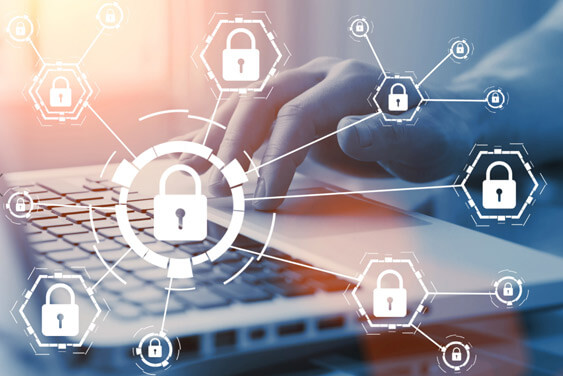
When evaluating a debt collection partner, performance and recovery rates often come to mind first—but data security and compliance should be just as important. Every past-due account contains sensitive consumer information, and protecting that data is both a legal obligation and a business necessity. The right partner collects effectively while also shielding your organization from cyber threats, regulatory scrutiny, and potential reputational fallout.
This guide outlines how to assess a secure, compliant collection agency—and how IC System sets the standard for data protection across the industry.
Why Cybersecurity Matters in Debt Collection
Debt collection agencies handle large volumes of confidential consumer information, making the industry a high-value target for cybercriminals. A single security incident can compromise thousands of records, trigger costly legal exposure, and cause lasting reputational damage to both the agency and the creditor.
Cybersecurity in collections is fundamentally about trust. No business can afford to partner with an agency lacking mature controls, independent audits, or a structured compliance framework. A trustworthy partner demonstrates transparency, readiness, and verified security practices—not just promises.
How to Verify an Agency’s Security Credentials
Not all collection agencies adhere to the same level of security maturity. Independent, third-party audits provide far more reliable assurance than internal claims. When evaluating potential partners, request documentation for the following certifications:
- SOC 2 Type II Certification: Validates that the agency’s controls for security, availability, processing integrity, confidentiality, and privacy are independently audited and verified.
- ISO 27001 Certification: Demonstrates adherence to a globally recognized information security management system that identifies, monitors, and mitigates risk.
- PCI DSS Compliance: Ensures secure processing and storage of cardholder data when payments are handled directly by the agency.
Ask how often these certifications are renewed, whether internal audits supplement external ones, and how long the agency has maintained these credentials. At IC System, each certification is maintained annually and paired with recurring third-party audits to validate our commitment to continuous security improvement.
How a Secure Agency Protects Against Active Threats
Audits and certifications are essential, but they only validate the controls already in place. A robust cybersecurity program must go further—actively anticipating, identifying, and neutralizing real-time threats. At IC System, this includes:
- Continuous Monitoring: 24/7 surveillance of system activity through an advanced security information and event management (SIEM) platform, enabling immediate detection of abnormal behavior.
- Regular Penetration Testing: Conducted by both internal security teams and external experts to simulate real-world attacks and identify vulnerabilities before they can be exploited.
- Vulnerability Management: Automated scanning, rapid remediation, and formal risk-ranking ensure new vulnerabilities are addressed quickly and thoroughly.
- Patching and Update Cycles: Structured and timely patch deployment across all systems to ensure defenses stay ahead of emerging threats.
- Employee Awareness Training: Because human error remains the leading cause of security incidents, employees receive continuous education and phishing-prevention training.
This layered approach enables early detection, rapid containment, and stronger resilience against increasingly sophisticated cyber threats.
Technical Safeguards that Protect Client and Consumer Data
Beyond process and oversight, a collection partner must demonstrate strong technical infrastructure designed to safeguard consumer data at every stage. IC System employs a range of controls, including:
- End-to-End Encryption: All data—whether transmitted or stored—is protected with modern encryption standards to prevent unauthorized access.
- Strict Access Controls: Role-based permissions, multi-factor authentication (MFA), and single sign-on (SSO) ensure only authorized personnel can access sensitive information.
- Network Segmentation: Sensitive systems are isolated from public-facing environments, reducing the risk of lateral movement during an attack.
- Data Retention and Disposal Policies: Consumer information is retained only as long as required and is securely destroyed in accordance with regulatory standards.
These safeguards provide multiple layers of defense, making data breaches significantly less likely and reducing exposure if a threat does occur.
What Happens if a Data Breach Occurs?
Even with strong defenses, no organization is completely immune to cyber threats. What distinguishes a reliable partner is the maturity of its incident response process. IC System maintains a formal, extensively tested Incident Response Plan (IRP) designed to minimize impact and restore security quickly. Key elements include:
- Immediate Containment: Rapid isolation of affected systems to halt unauthorized access while preserving operational continuity where possible.
- Investigation and Remediation: Coordination between internal IT, security teams, and third-party forensics specialists to determine root causes and prevent recurrence.
- Client Notification: Direct communication with affected clients through assigned points of contact, ensuring accurate updates and coordinated response steps.
- Consumer Support: If consumer data is impacted, IC System supports notification efforts and assists in compliance with applicable privacy and data breach laws.
Preparation, transparency, and speed matter—especially when reputational and financial stakes are high.
Addressing the Human Element of Cybersecurity
Technology alone cannot eliminate risk. Employees play a central role in preventing security incidents. IC System fosters a culture of compliance, accountability, and continuous learning, supported by:
- Mandatory annual and quarterly security training for all employees
- Role-based instruction tailored to IT, operations, and consumer-facing staff
- Regular phishing simulations and behavioral reinforcement exercises
- Ongoing feedback loops and retraining as threat patterns evolve
This human-centered model reduces the potential for internal mistakes and reinforces IC System’s commitment to ethical, compliant operations.
Core Values That Drive Compliance
IC System’s security and compliance practices are grounded in our core values: People, Integrity, Performance, Pride, and Innovation. These principles guide how we handle data, train our teams, and continuously enhance our systems. Our commitment to Integrity and Innovation drives us to exceed industry expectations and maintain the highest level of protection for both clients and consumers.
Contact IC System to learn more about how we combine compliance, cybersecurity, and compassion to protect your customers and your business.
Disclaimer: The information in this article is for general informational purposes only and does not constitute legal advice. Regulations vary by jurisdiction and may change. Always consult qualified legal counsel before implementing new security or compliance programs.
About the Author: Eric Johannes

Related posts:
-

4 things to know before adopting a virtual assistant
As artificial intelligence improves and makes inroads, it’s not a surprise to see some products enter the accounts receivables market. In fact, some companies are selling virtual assistants. We don’t mean robots or artificial intelligences; we mean a system that offers a highly sophisticated option for consumers to make online payments. Such systems can be
-

IC System Announces Nate Welbig as Vice President of Operations
IC System is proud to announce the promotion of Nate Welbig to Vice President of Operations and member of the Executive Team. Nate has been with IC System since 2009, most recently serving as Director of Operations at the St. Paul Home office. IC System President & CEO John Erickson, Jr. remarked, “Nate has extensive
-

IC System Welcomes Toney Fedullo to Strengthen Growing Sales Team
IC System is proud to announce the addition of Toney Fedullo to its accomplished sales team, further strengthening the company’s ability to expand healthcare revenue services across American businesses. With nearly 30 years of experience in accounts receivable management, Toney brings deep expertise across multiple collection verticals. His industry knowledge and relationship-driven approach make him