The Hidden Cost of Uncollected Government Debt and How to Recover It Efficiently

At the start of the year, everything looks balanced on paper.
A city plans its road repairs. A county outlines its budget. A local office allocates funding for programs that directly support the community.
Then, as the months go on, something starts to shift.
Expected revenue doesn’t fully come in. A portion of fines, fees, or taxes remains unpaid. Individually, these balances may seem manageable. Collectively, they begin to add up.
By the end of the cycle, the gap is noticeable.
Where the Gap Comes From
Uncollected receivables rarely come from a lack of effort. Most teams are already doing what they can with the time and resources available.
But collection efforts often compete with other priorities. Staff may be balancing multiple responsibilities, and follow-up can become inconsistent. Processes that once worked may no longer match how people prefer to communicate today.
Over time, accounts age. And as they age, they become harder to recover.
What Uncollected Debt Really Costs
The impact is not always immediate, but it is real.
Projects may be delayed. Equipment upgrades get pushed out. Programs that depend on steady funding may need to be scaled back. In some cases, teams are asked to do more with less.
There is also a hidden operational cost. Time spent tracking down past-due balances is time taken away from serving the public in other ways.
For many organizations, the challenge is not identifying the problem. It is finding a practical way to address it without adding more strain.
Why Timing Matters
One of the most important factors in recovery is timing.
Accounts that are addressed early are far more likely to be resolved. Contact information is still current. The balance is still top of mind. A simple reminder or structured follow-up can often lead to a quick resolution.
As time passes, those advantages fade. Reaching the right person becomes more difficult, and engagement drops. What could have been resolved with a few touchpoints can turn into a much longer process.
What More Effective Recovery Looks Like
Improving recovery does not necessarily mean doing more. In many cases, it means doing things differently.
Organizations that see stronger results often focus on a few key areas:
- Consistency so accounts do not fall through the cracks
- Clear communication that is easy to understand and act on
- Multiple outreach methods to meet people where they are
- Visibility into performance so progress can be measured and improved
These changes can make a meaningful difference without requiring large increases in internal resources.
Extending Your Team
For many municipalities, courts, and local offices, there comes a point where internal efforts can only go so far.
Partnering with a collection agency can provide additional structure, consistency, and reach. The right partner works as an extension of your team, helping manage accounts professionally while keeping your standards for compliance and public interaction intact.
This allows internal staff to stay focused on their core responsibilities while still improving overall recovery.
Keeping the Focus on the Community
Every dollar recovered supports the work being done in the community.
When receivables are managed effectively, organizations are in a better position to follow through on plans, maintain services, and respond to new needs as they arise.
Improving recovery is not just about closing balances. It is about maintaining stability and continuing to serve the people who rely on those services.
Strengthen Your Recovery Process
IC System works with municipalities, courts, and public sector organizations to recover outstanding receivables with a focus on compliance, professionalism, and clear communication.
Connect with our team to explore an approach that fits your organization.
About the Author: Julian McPherson

Related posts:
-

States Prepared for a Recession
As has been previously discussed in this space, many indicators point to a recession descending upon the American economy sometime within the next couple of years. Of course, a recession is an unpleasant topic to think about, but the economy is cyclical, and occasional recessions are inevitable. Given this inevitability, it is important for government
-

Government: Internal Debt Collection Tips
Much like other types of debt, past-due government accounts generally become more difficult to collect the older the accounts get. When the accounts age to the point where your office can no longer efficiently and effectively collect them, it makes sense to team with a trusted collection partner such as IC System to try to
-
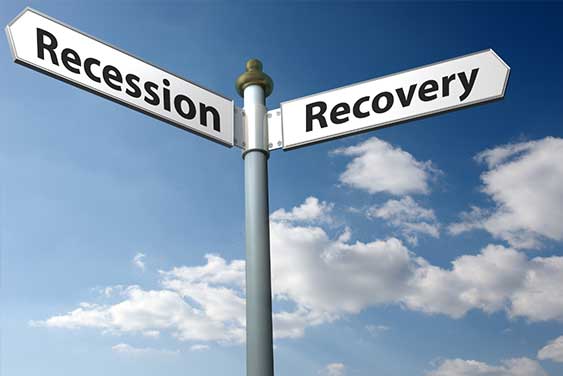
Next Recession Will Pose Challenges for Local Governments
With several analysts warning that a recession could hit the nation in 2020, state and local government finance officials should be mindful of how their budgets will be affected by federal fiscal conditions. Specifically, a large federal budget deficit, coupled with historically low interest rates, could present challenges to local coffers in the event of